Rooted in relationship
Designed for resilience
We are Mother Tree Permaculture
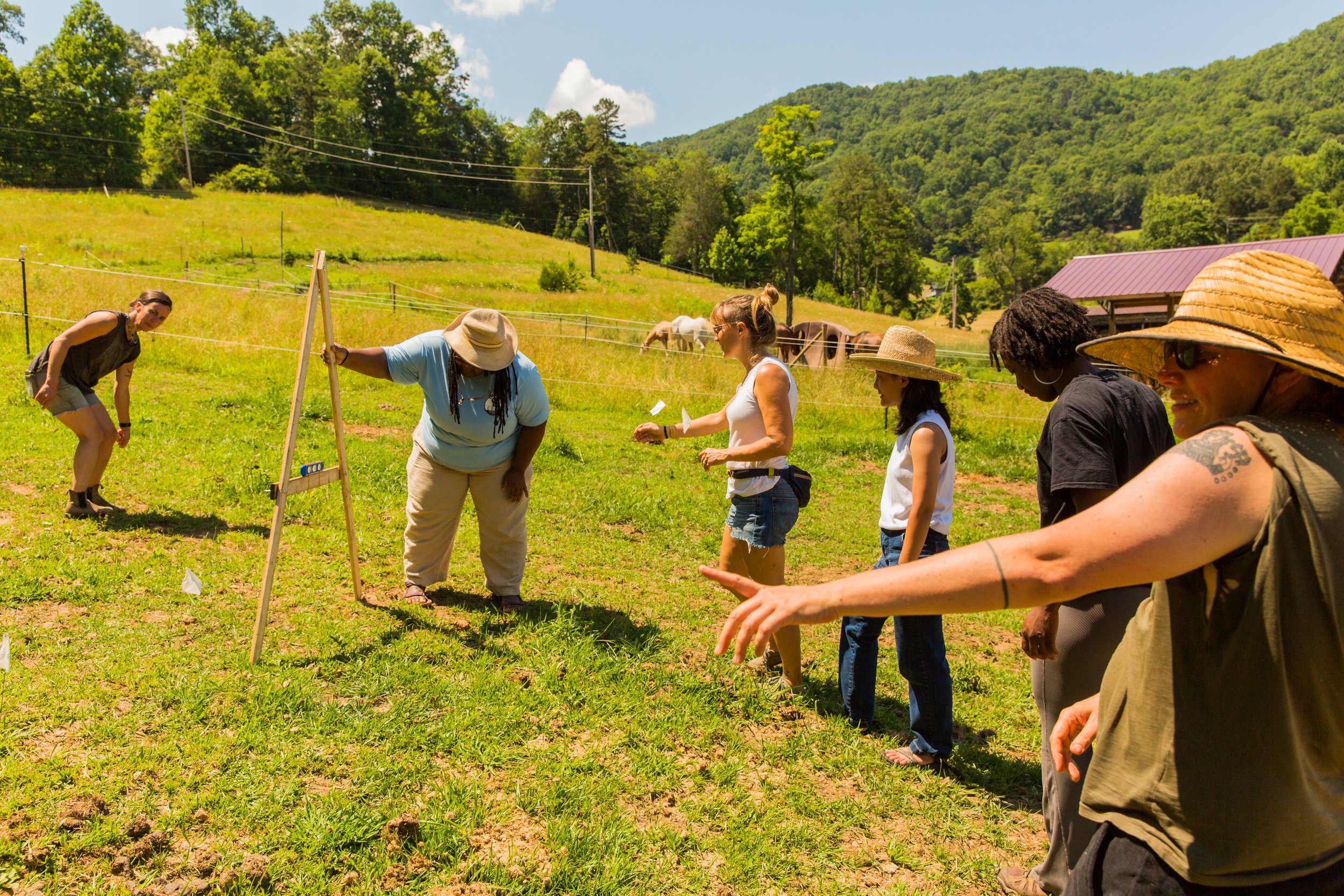
We are a women-led experiential educational space that aims to root permaculture design in principles of justice. Predominately housed in Western North Carolina, we teach resilient ecological design from a place of relationship and remembering, while honoring the land.
Mother Tree is a co-creation of Laura Ruby, Bevelyn Afor Ukah, Beatrice Nathan.
Centering BIPOC Participation
As part of our commitment to making permaculture education more accessible and reflective of the communities most impacted by land and food apartheid we have a number of fully financial supported seats available in our upcoming fall 2026 Permaculture Design Course.
If you are inspired to learn these skills then we are excited to work with you.
If you support this mission and are able to contribute financially to our goal of of fully funded scholarships seats please consider donating to our scholarship fund.
Permaculture Design Course
The Permaculture Design Course is a five weekend in-person experience designed to lead students through a guided permaculture design process. It is a comprehensive class and weekends are not sold seperatly. This class is open to everyone of all experience levels and backgrounds.
Fall 2026 Course DATES
September 12th & 13th
September 26th &27th
October 10th &11th
October 24th & 25th
November 7th & 8th
LOCATION
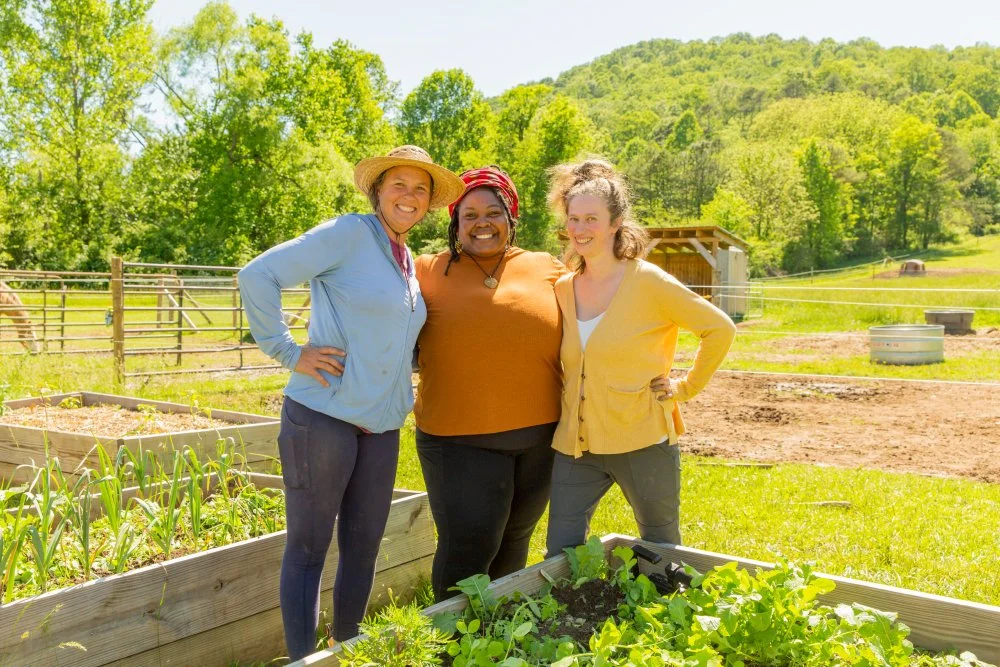
Ruby Ranch
36 Kel County Rd, Candler, NC 28715
A 20 acre permaculture horse ranch nestled in the Blue Ridge mountains.
Meet Your Instructors
Laura Ruby
Permaculture Educator and Professional, Owner of Ruby Ranch
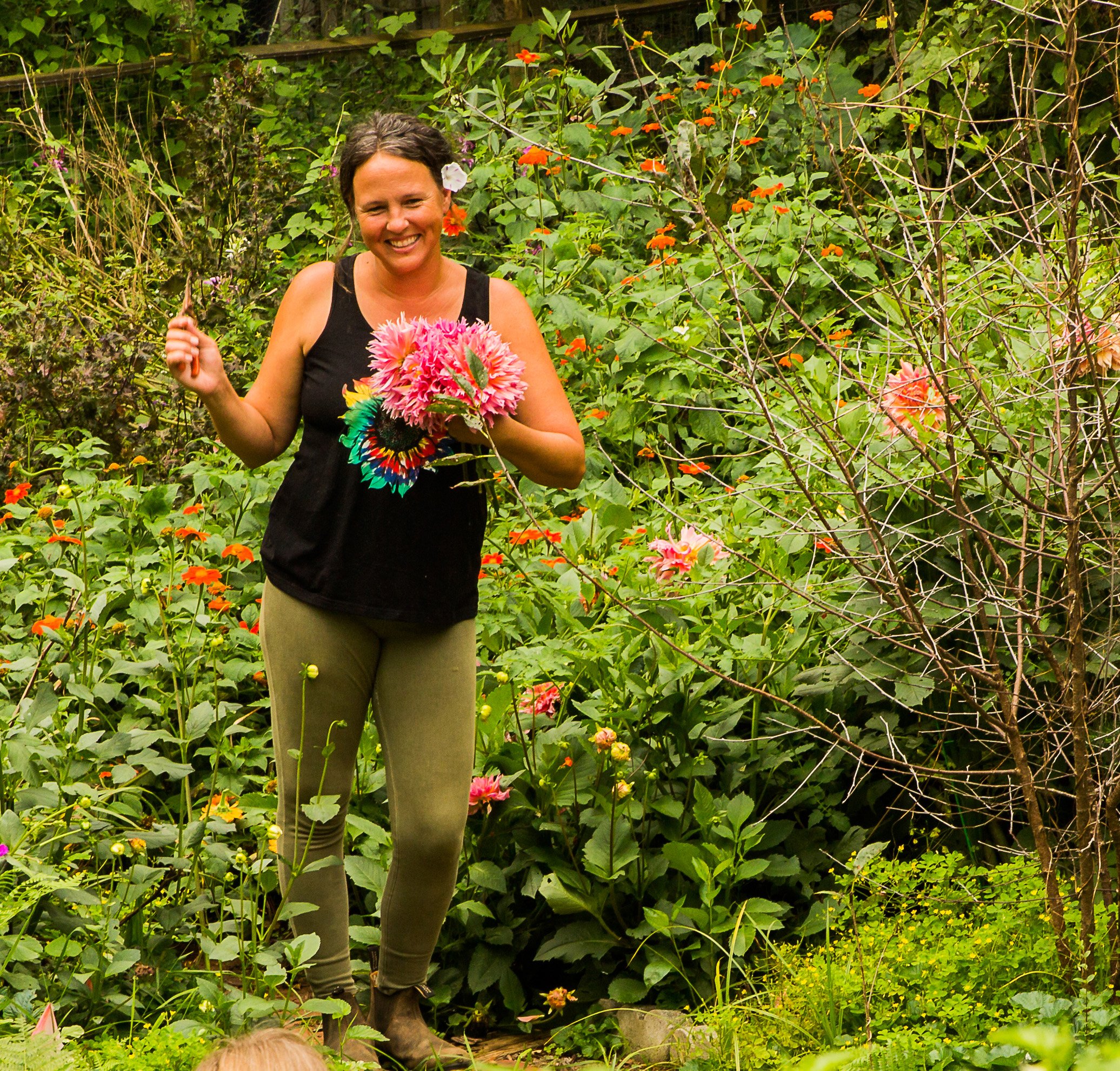
Laura brings over two decades of permaculture expertise, combining her passion for plants, education, and community. She is the founder of Ruby Ranch, 20 acre educational permaculture farm and Paddock Paradise horse ranch.
Masters in Sustainable Business Administration, Green Mountain College, 2008
Certified in permaculture since 2001 (Crystal Waters Ecovillage, Australia)
Co-founder of Wild Abundance permaculture course (2014)
Founder of Ruby Ranch (2022) and Ruby Rose Landscaping
Extensive experience in K-5 outdoor education and school garden design
Background in renewable energy, green building, and organic agriculture

Bevelyn Afor Ukah
Founder of AFI OAK Consulting. Community Engagement & Equity Consultant
Bevelyn is a consultant, facilitator, and artist dedicated to exploring how humans connect across cultures. She brings a unique focus on deep ecology and equity, creating accessible permaculture spaces for BIPOC communities and fostering environmental justice.
Founding consultant of AFI Oak Consulting and The Manifest Farm
Co-Director of the Collective on Racial Equity in the Food System.
Over a decade organizing food systems practitioners
Permaculture certified and co-developing permaculture course for BIPOC participants
Master's in Intercultural Service, Leadership, and Management
Bachelor's in International Studies, Sociology, and Anthropology
Beatrice Nathan
Founder of Grow & Harvest Gardening education, design and consulting
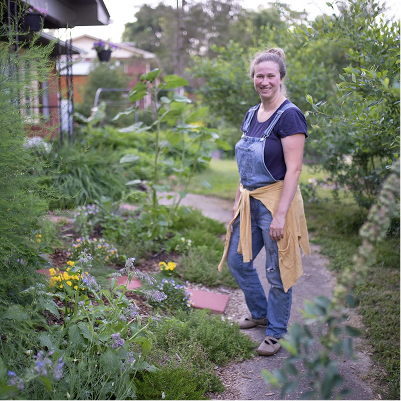
Beatrice is passionate about helping new gardeners transform their spaces into productive urban food forests. She creates sustainable systems through diligent observation and hands-on learning, making gardening dreams a reality for her students.
Master's in Sustainability Studies, Lenoir Rhyne University (2023)
Permaculture certified through Wild Abundance (2022)
Creator of thriving urban food forest oases
Specialist in sustainable food systems for families
Dedicated mentor for beginning gardeners
Collapse-aware writer and creator
Guest Instructors
-
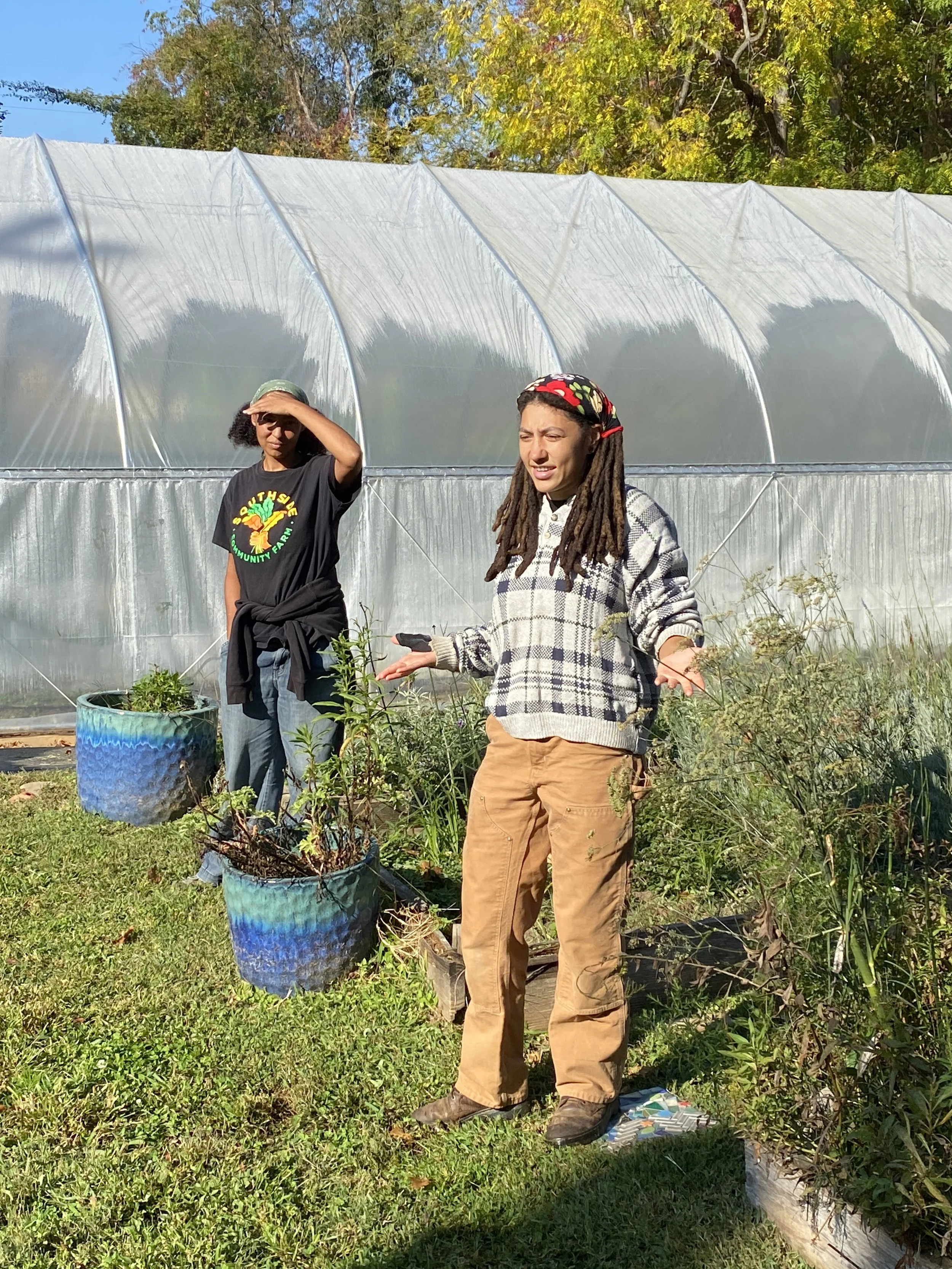
Chloe Moore and Lydia Koltai
Chloë Moore (he/she) has served as Southside Community Farm’s farm manager since 2020 and has been farming for 15 years. Chloë strives to support people of color reconnecting with land and food in ways that feel empowering, restorative, and delightful. He is a queer, Black and Borikua-Taino, land steward, educator, and parent who loves to eat good food, sing to plants, and play in the dirt.
Lydia Koltai (she/her) is the youth educator and community engagement manager for Southside Community Farm. A mother, gardener, herbalist, and educator, Lydia has many years of experience playing with and educating children in gardens. She completed a permaculture design course in 2003 and participated in a yearlong permaculture intensive with Regenerative Design and Nature Awareness (RDNA) in 2005. -
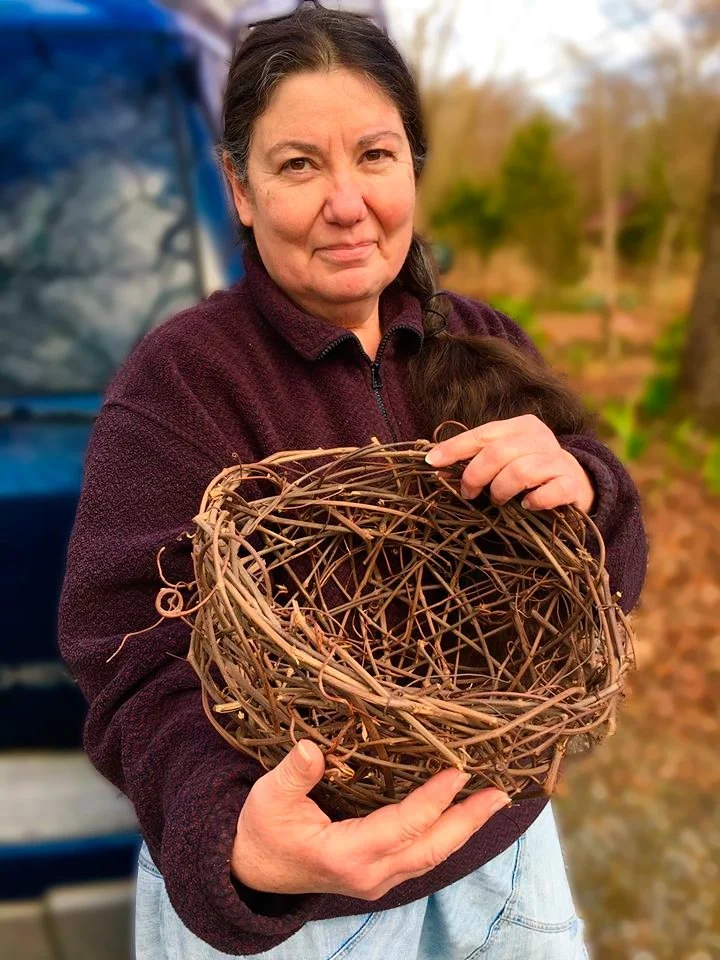
Nancy Basket
Nancy Basket may not have finished the art education degree she started at Blackhawk College in Moline, Illinois. She may have learned instead, as she says, through “the school of hard knocks.” But this woman is an artist and art educator extraordinaire.
She became intrigued by basketmaking 40 years ago, and soon afterward met a Cherokee man who sold pine needle baskets shaped like bears. She asked to buy one, but he said, “Your job is to make them.” She’s been doing that ever since. And 10 years later, having become skilled at this craft, she adopted her Cherokee grandmother’s name of Basket.
These days, she works mostly with pine needles and with kudzu, which has to be used when green and fresh. The thicker vines are available all year. She keeps stretching what kudzu—which she calls “a miracle vine”—can do, which includes making baskets, paper and cloth.
-

Hector Lopez
Hector Lopez has worked in several community projects focused on strengthening the social fabric through the care and regeneration of local ecosystems that allow people to achieve food autonomy for their health.
Through the planting of organic vegetables with a focus on permaculture, he has traveled part of the continent (Mexico, Ecuador, U.S.) sharing his knowledge with children at rural schools, community leaders, women in prison young people from the city and stay-at-home moms in order to empower all those who want to build a better world.
He shares his cultural legacy through millenary spiritual practices that he inherited from his ancestors. He is also passionate about renewable energy and music. Today he works in the triangle area in North Carolina accompanying social movements in search of social justice for the good of humanity.
-
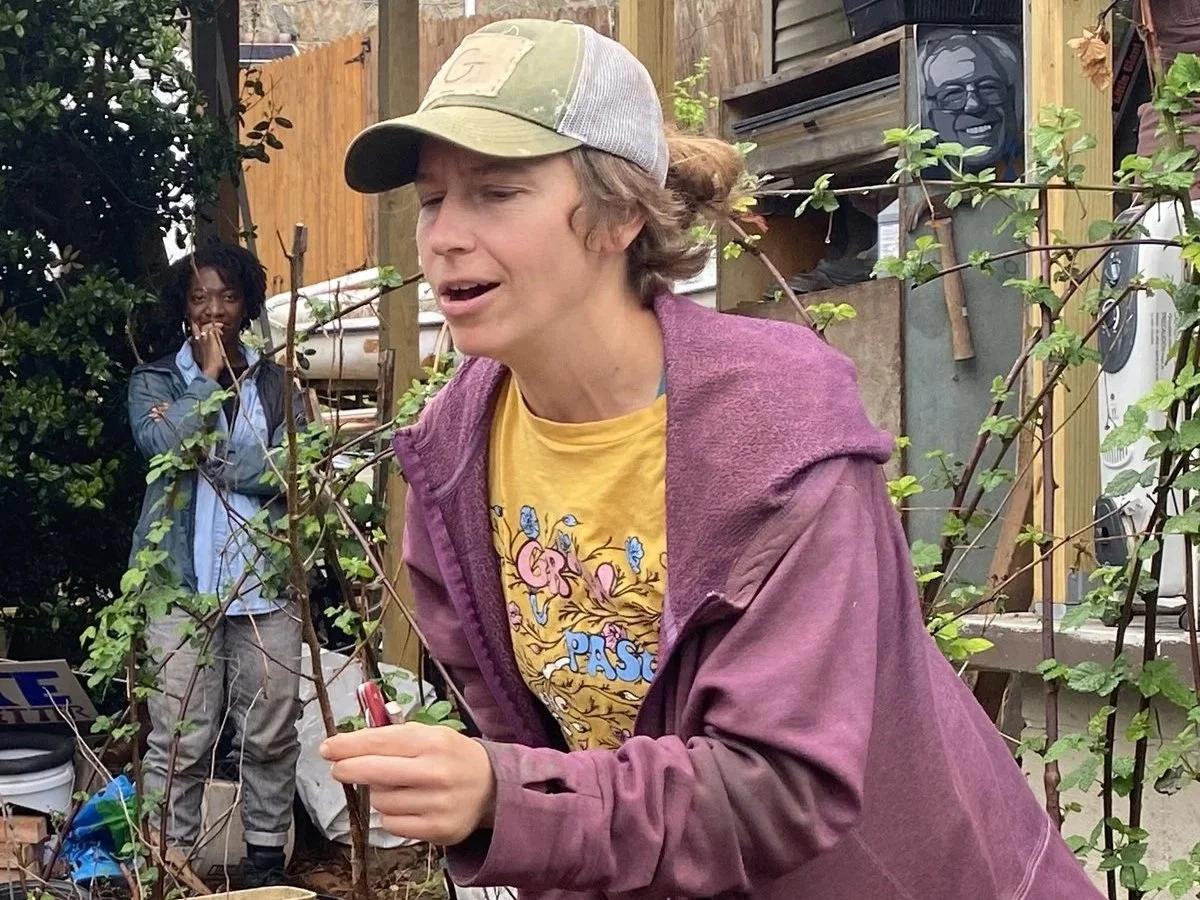
G White
G (she/they) is a treeworker, gardener, bodyworker, childcare provider, and theater performer.
They received her permaculture design certificate in Ithaca NY, 2007. Their fascination with the cascade of positive vibes that come from trees / perennial agriculture has led them to be a devoted hobbyist fruit & nut grower.
She gets joy by taking simple action everyone has access to- promoting regenerative agriculture. She believe we must not only sustain what we have, but we must improve our ecosystems…not just because it will sustain us physically, but spiritually.
They have been grafting and maintaining trees in community parks, in her garden, and throughout Asheville for 12 years. She is excited to share what she knows about how to select, train, prune, and graft a tree through its lifetime.
-
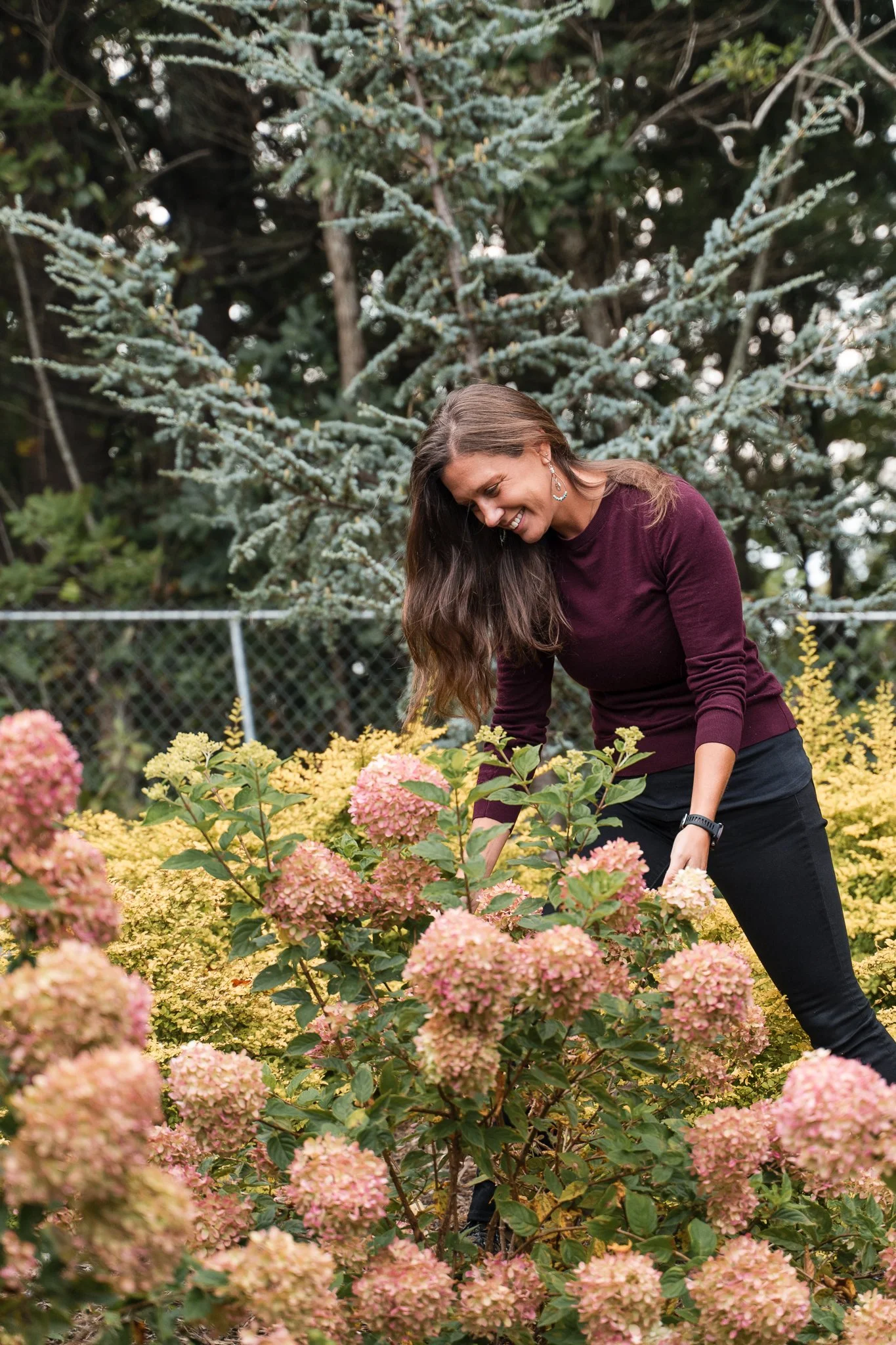
Jennifer Verprauskus
Jennifer Verprauskus is a North Carolina Licensed Landscape Architect and a Permaculture Design Certificate Holder. She studied Landscape Architecture at the University of Massachusetts & Cal Poly.
Since graduating, she has traveled the world to help people grow trees and their own food. She is the founder of both UpBeet Landscapes and BareRoot Designs, PLLC.
Jennifer actively practices Permaculture through Landscape Architecture all over the States and currently teaches Permaculture classes at the North Carolina Arboretum.
-
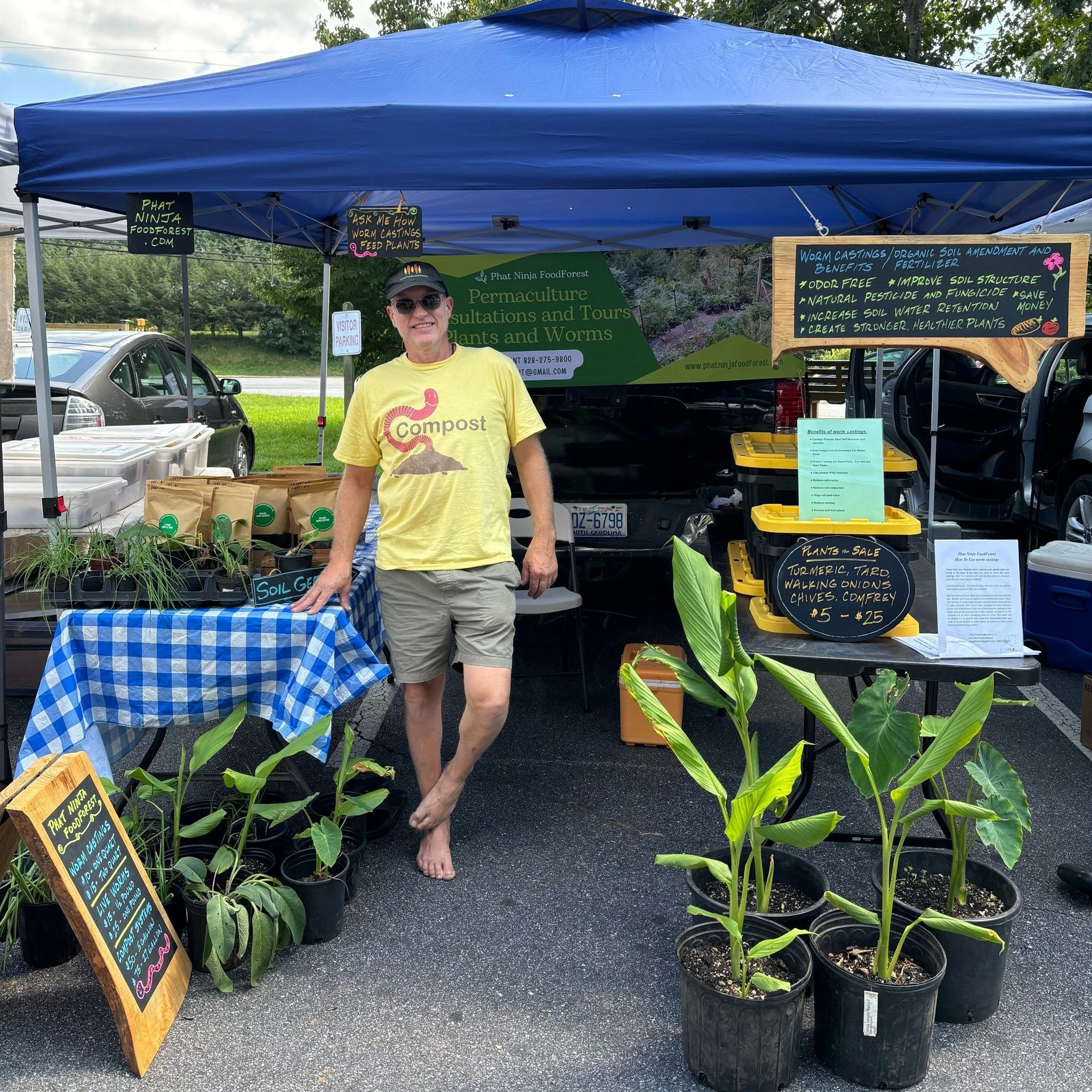
George Brabant
Permaculture was explained to me as using nature as a guideline. The edge of the forest turns full and green every year with no help from man. It happens from a symbiotic relationship between plants, animals, and fungi.
I started running with this philosophy and turned our Asheville property into a Permaculture Foodforest. I bought chickens and ducks, removed all grass, and installed swales, ponds, mushrooms, and fruit trees. A year in, I sought help from more experienced minds and took a permaculture design course and became a certified instructor.
Now we are giving classes, tours, and having other local permaculture and gardening instructors do tours of our farm as well. This is Phat Ninja Foodforest.
-

Greg Peterson
"What if there was a garden and fruit tree in every yard?" This is a question that Greg ponders every day. For over 32 years he created of one of Phoenix's first environmental showcase homes for urban farming. The 1/4-acre yard featured a primarily edible landscape with over 80 fruit trees, rainwater and greywater harvesting, solar applications, and extensive use of reclaimed and recycled building materials. What we now call an Old Growth Food Forest.
He is the co-founder of Great American Seed Up an educational organization designed to energize local seeds. He is also the founder of UrbanFarm.org and the host of The Urban Farm Podcast that has over 900 episodes and over 5 million listens. The podcast is designed to help fulfill Greg's passion of spreading the word about growing your own food and sharing new and seasoned gardeners epic stories.
Frequently Asked Questions
-
Yes! We are now enrolling for the fall 2026 Permaculture Design Course! Click here to sign up!
-
We provide a number of fully financially supported seats for Black, Indigenous and people of color. These seats are meant to make permaculture education available to people most impacted by land and food apatheid. Click here to learn more!
-
This class is open to everyone.
As part of our ethos, we intentionally center BIPOC voices, experiences, and leadership in our teaching and learning community. The same time people of all backgrounds are welcome and encouraged to join the course.
-
Feel free to email us at Mothertreepermaculture@gmail.com
-
We offer a sliding scale price to accomodate people with different economic means and restrictions. We also have AFTERPAY to offer a payment plan options.
-
Collaborative, honest, and straightforward. We're here to guide the process, bring ideas to the table, and keep things moving.
-
Fall 2026 Course DATES
September 12th & 13th
September 26th &27th
October 10th &11th
October 24th & 25th
November 7th & 8th

Course Curriculum
13 comprehensive modules covering all aspects of permaculture design
Permaculture Ethics & Principles
Master the foundational ethics of Earth Care, People Care, and Fair Share, along with the 12 design principles that guide all permaculture work.
Repairing damaged landscapes
Hurricane Helene has left our landscape scarred but thoughtful design can create healing.
Disaster preparedness and mutual aid
When your community is prepared everyone is less vulnerable to the impacts of unexpected emergencies.
Soil health
Soil is the basis of all life, in this class we learn to become stewards of our soil.
Water management
Water can create abundance or destructure. With a deep understanding of how water moves and accumulates, we can work together to create thriving lives and landscapes.
Forest systems
The forest is our teacher. We go to nature to observe and learn how to work together with other species.
Social and interpersonal permaculture
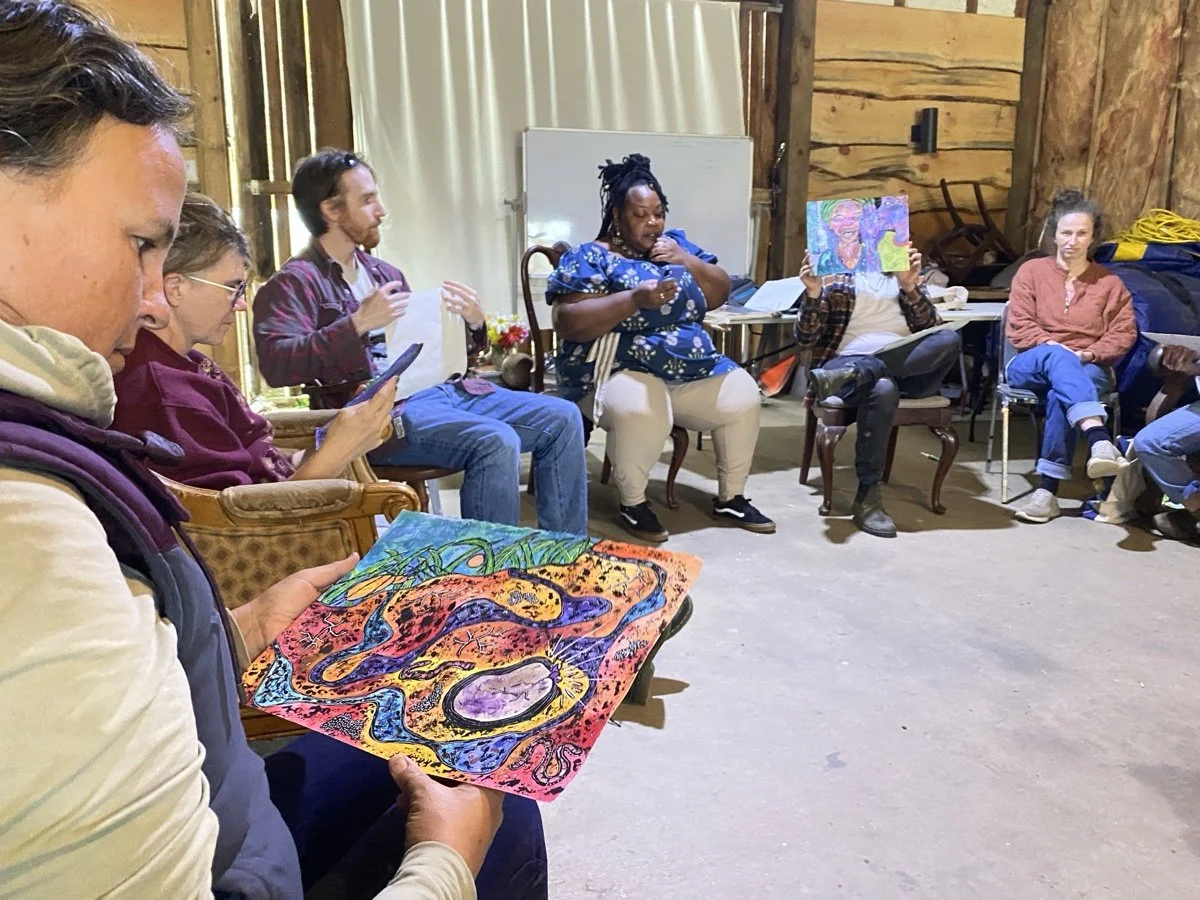
Explore how permaculture principles apply to building inclusive communities, addressing social injustices, and creating equitable systems that benefit all members.
Native, perennial & edible plants
Learn to work with useful plants to bring beauty, food, and habitat to your landscape.
Growing food year-round
With a little knowledge and creativity, we can grow fresh food year-round in any climate
Food preservation
Learning to preserve our food builds our skills and resilience.
Animal systems
Animals are an essential part of all thriving ecosystems. Learn how they can be a healthy part of our food systems and landscapes.
Contours, swales, earthworks
Explore how shaping the earth can create lush, diverse landscapes.
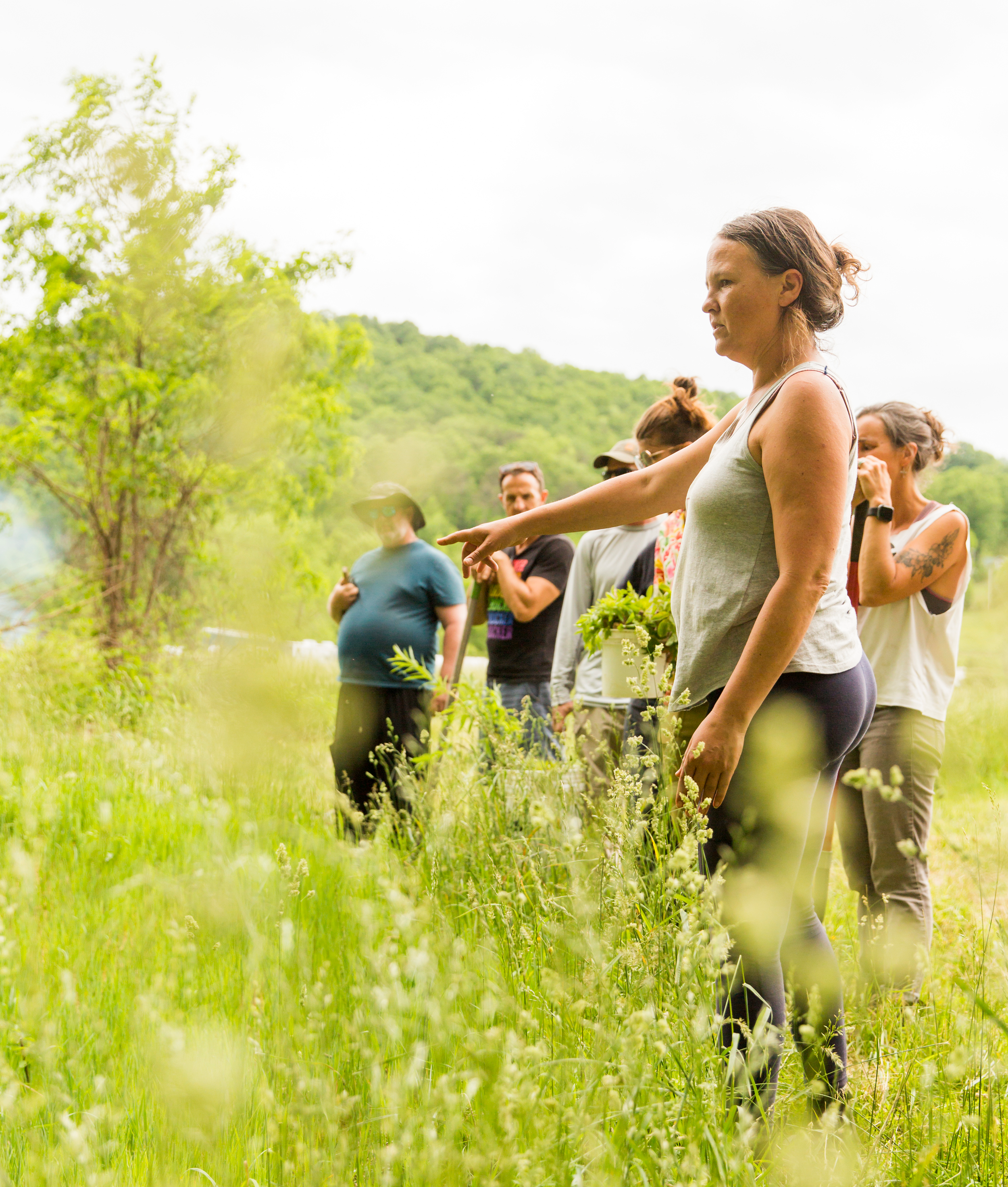
Learn by Doing
Hands-on Learning
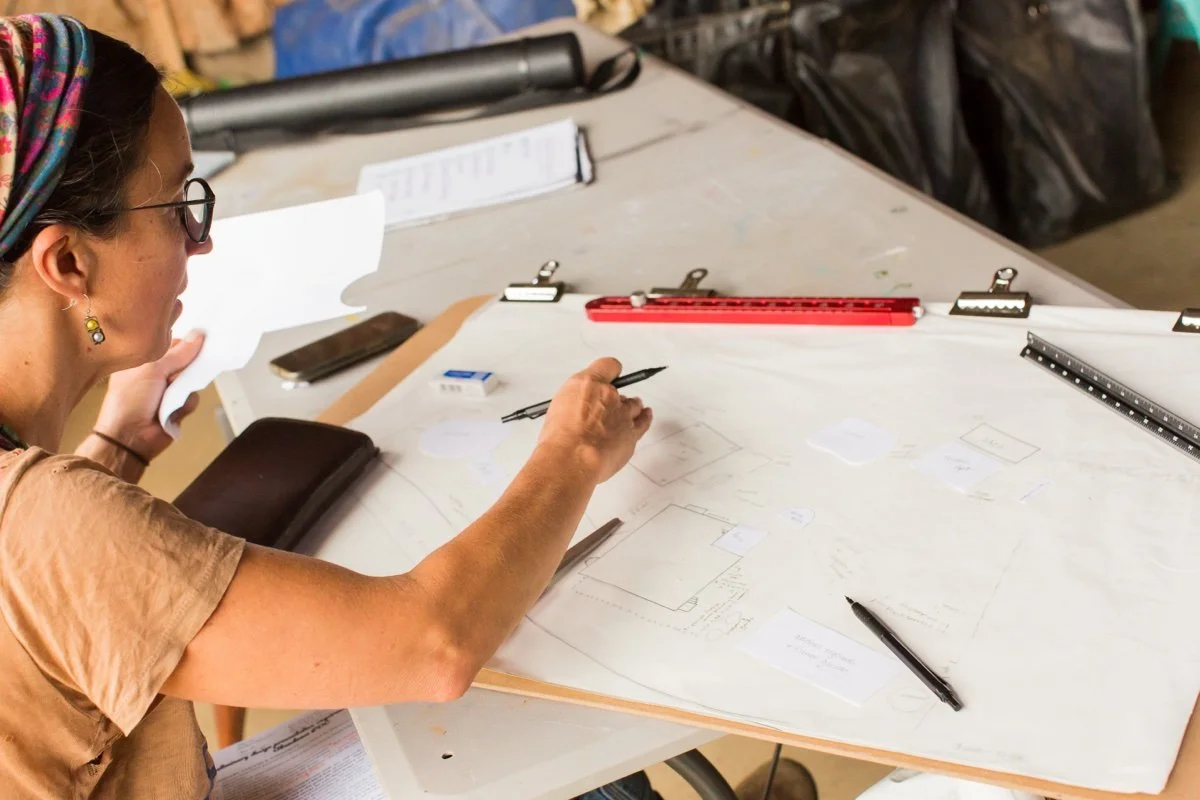
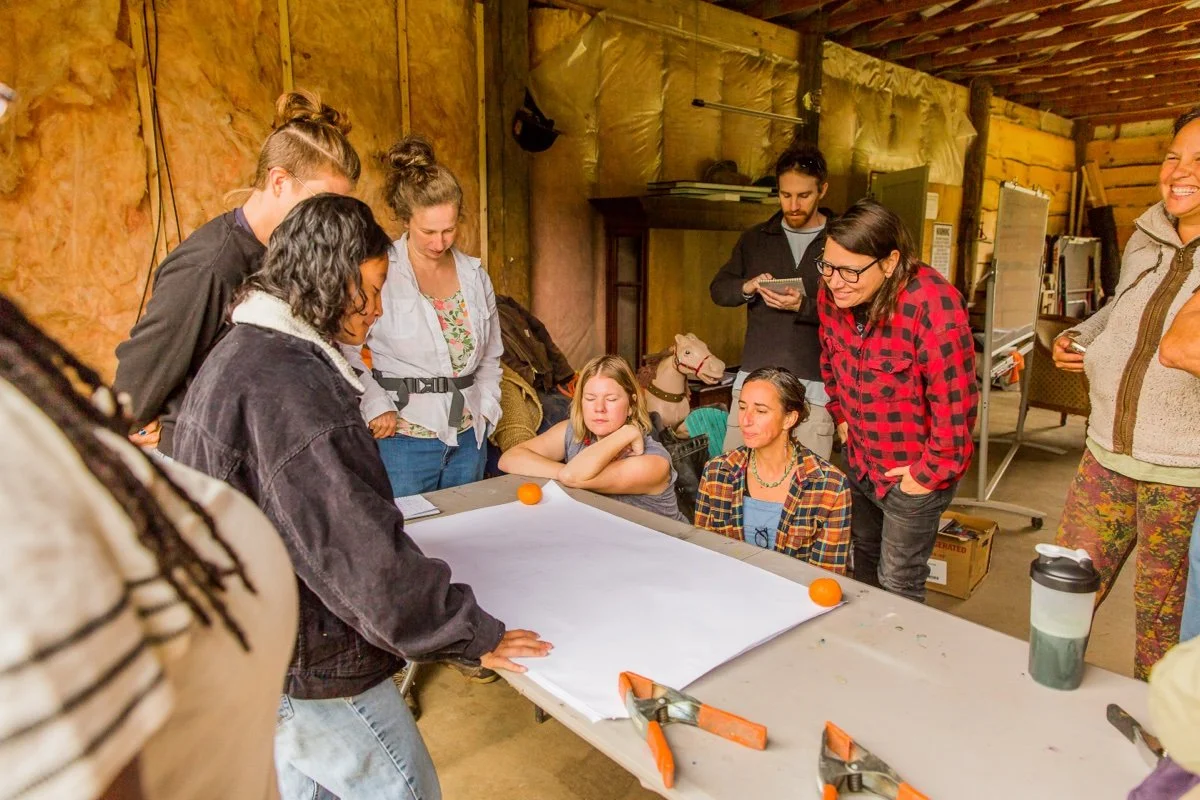
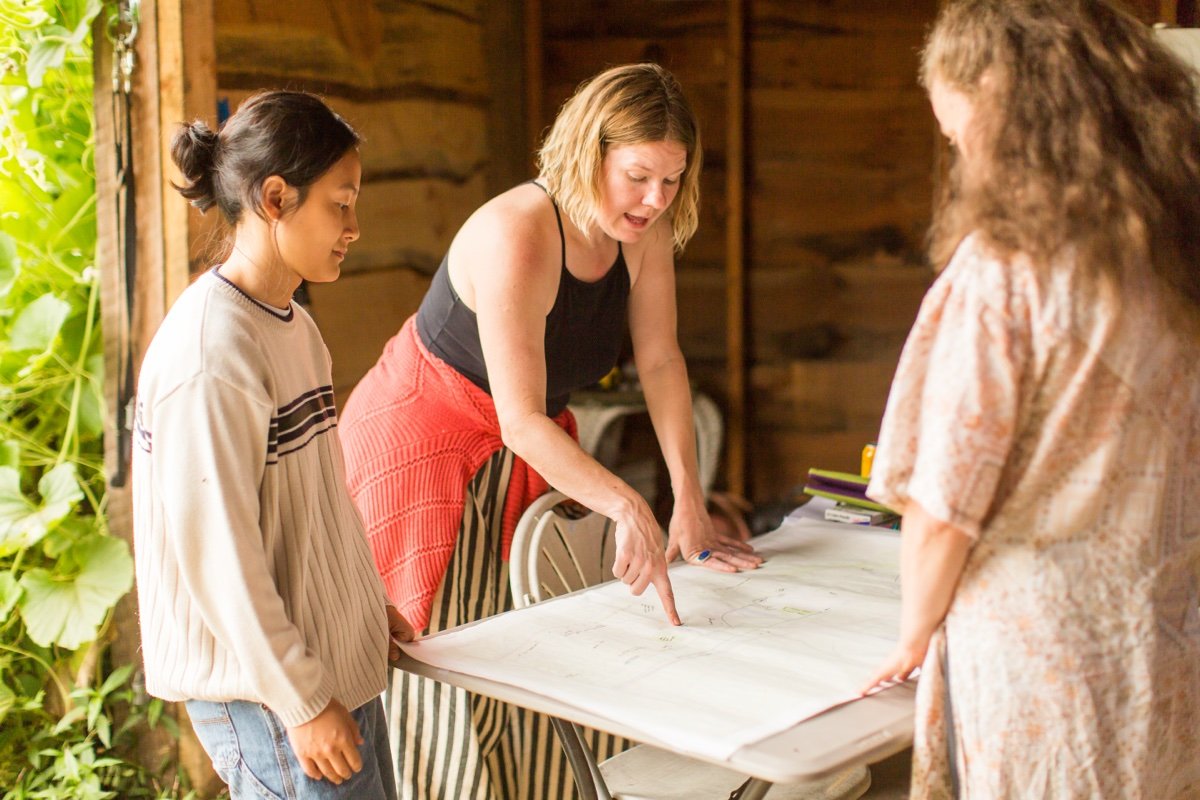
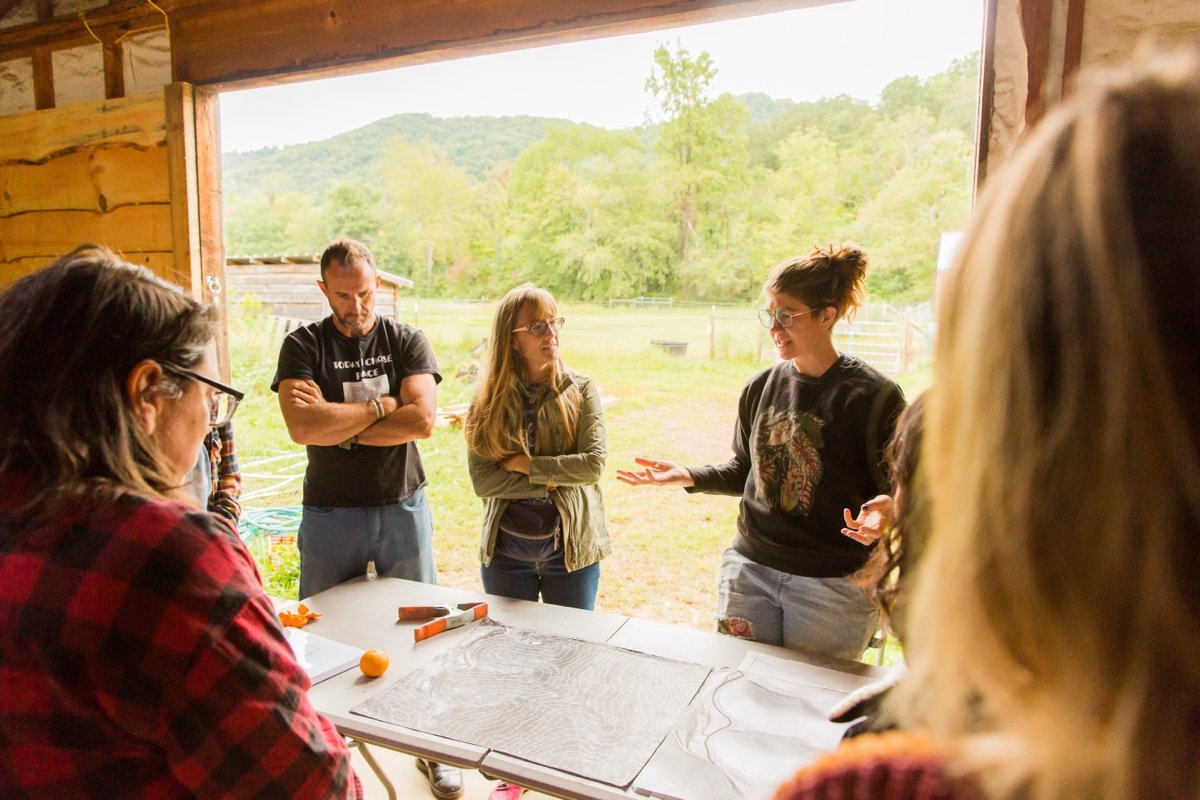
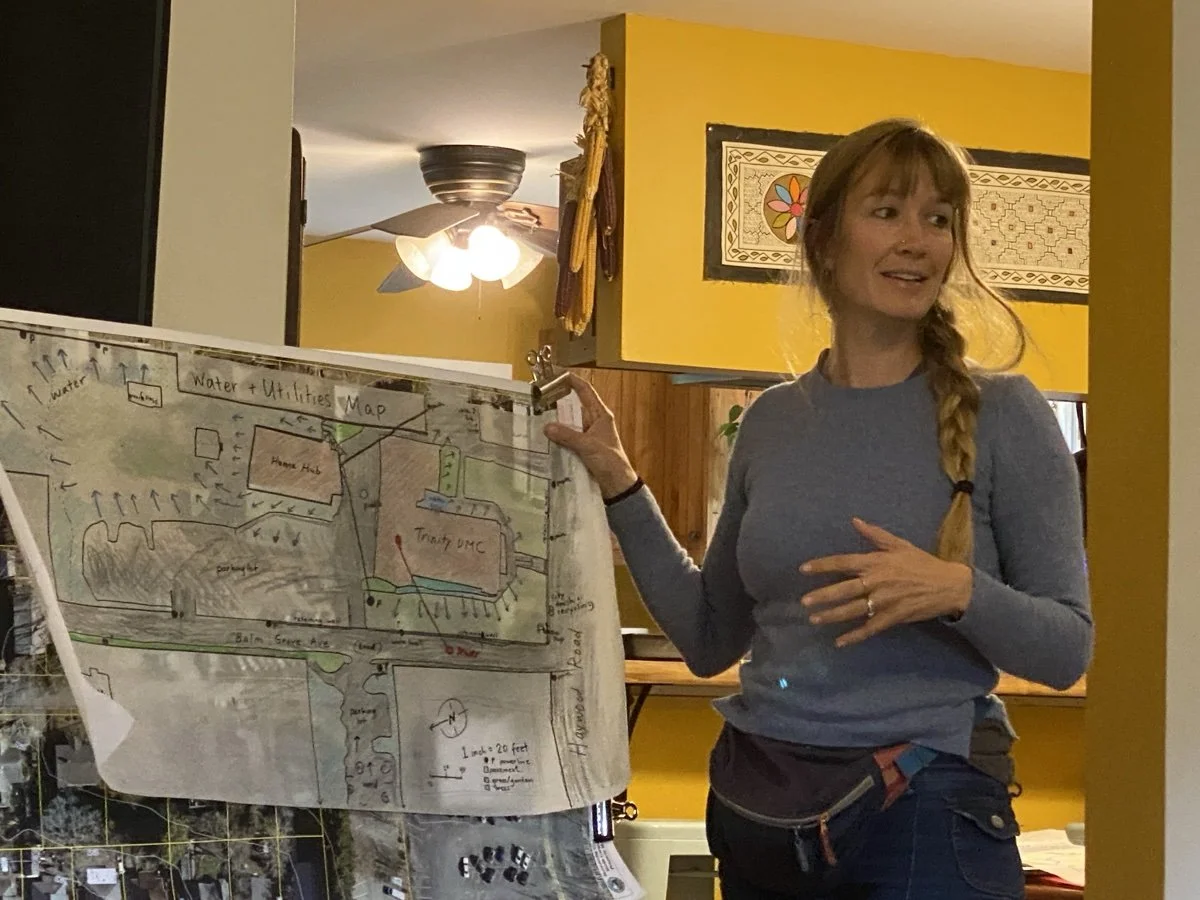
Practice real-world skills including composting, propagation, design mapping, and building garden structures.
Soil building and composting
Plant propagation and planting
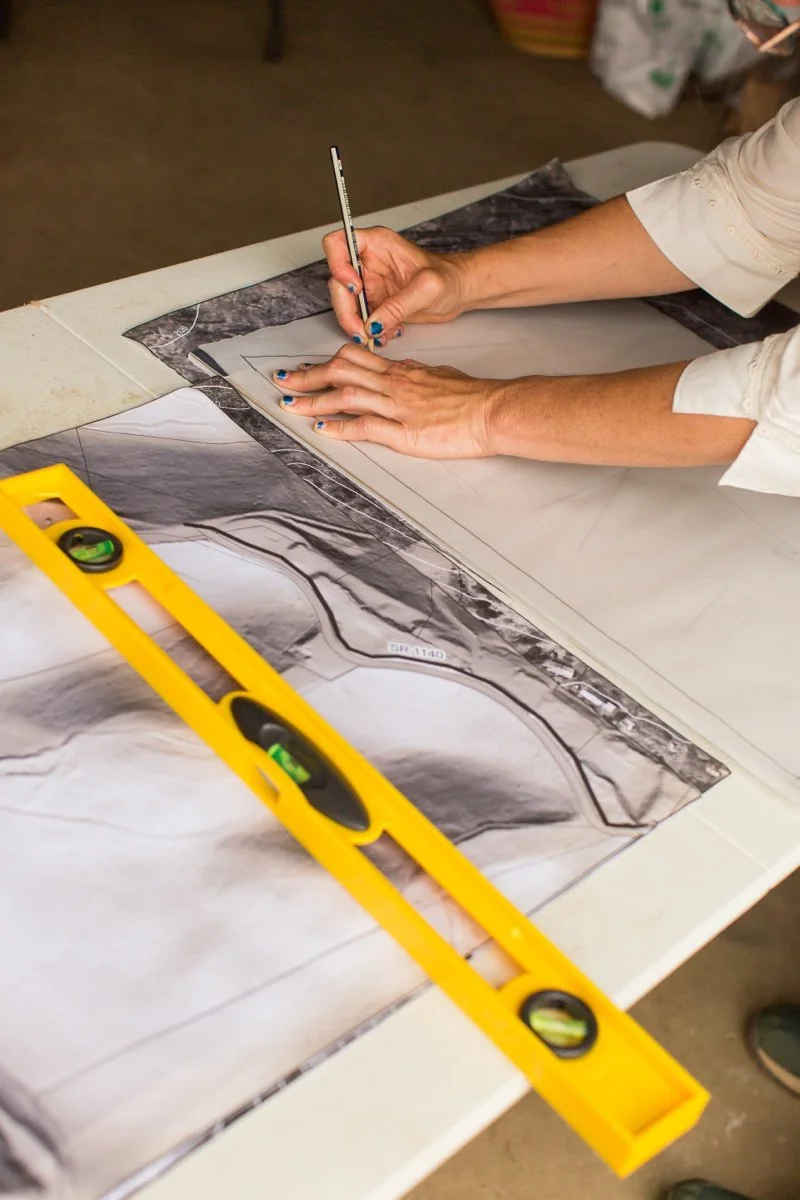
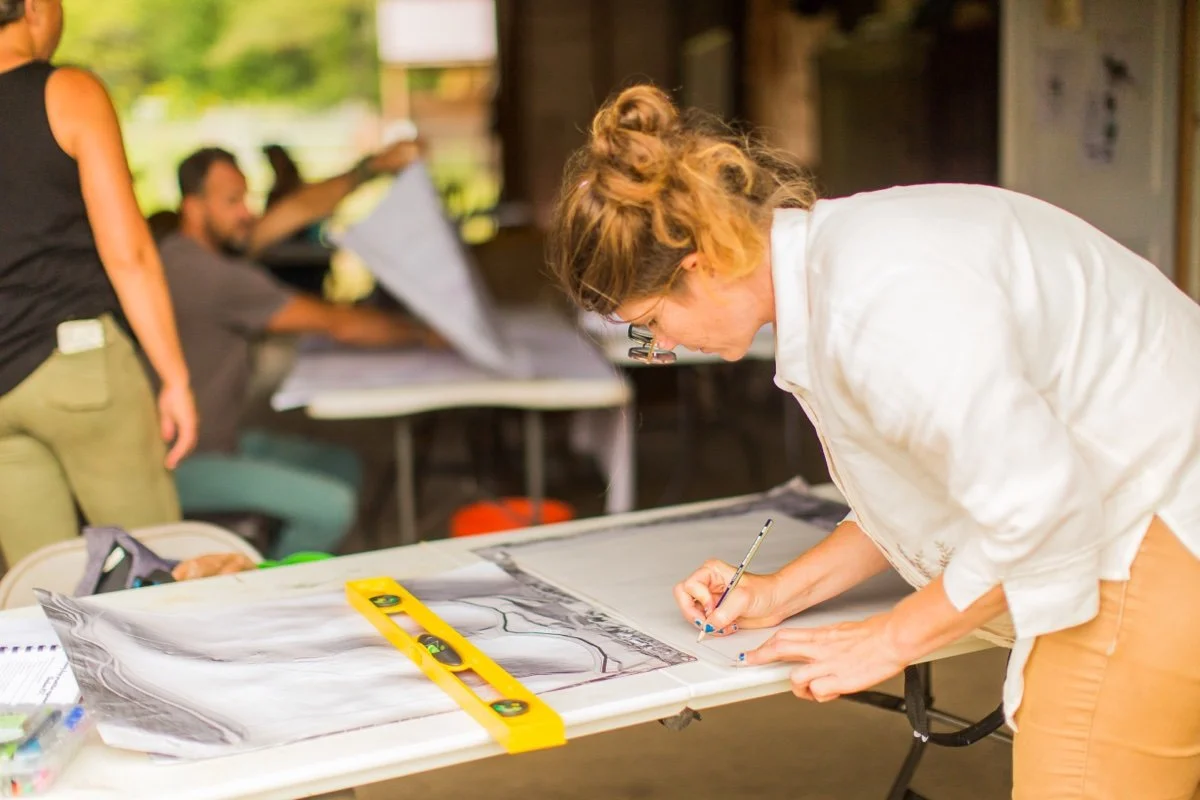
Measuring and laying out at basemap
Building garden structures
Food harvesting
Food preservation
Building a swale
Basket weaving
Time with the horses, understanding large farm animals (optional)
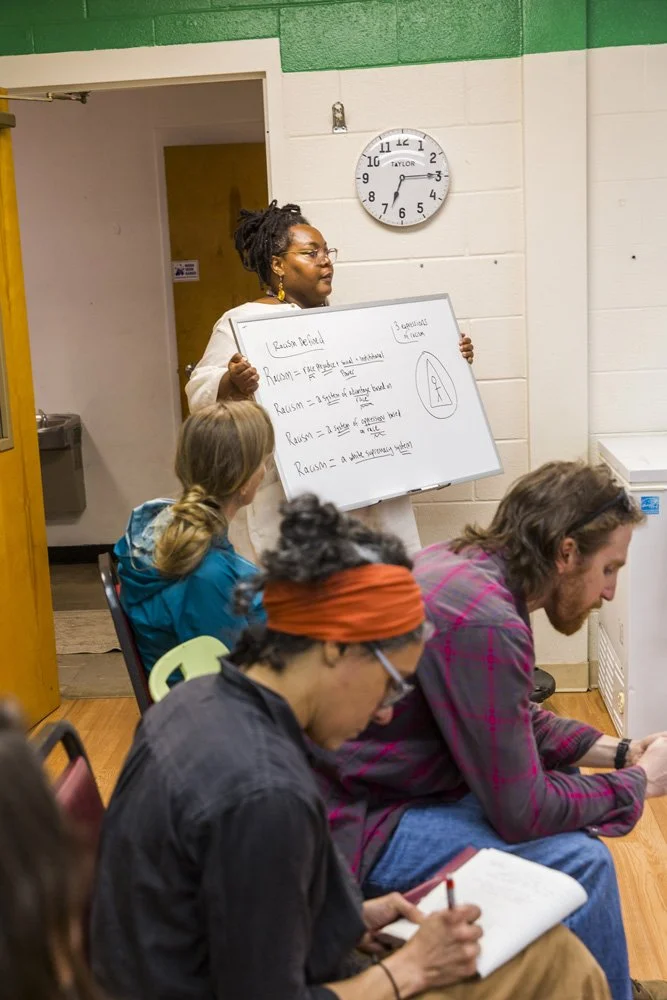
Race and Equity in the Food System
Legacy of land theft, sharecropping, and systemic exclusion of Black farmers
Indigenous food systems and displacement in the Southern Appalachian region
Historical and contemporary barriers to land ownership for BIPOC communities
Food sovereignty movements and community-led solutions
Building equitable and just food systems rooted in repair and accountability
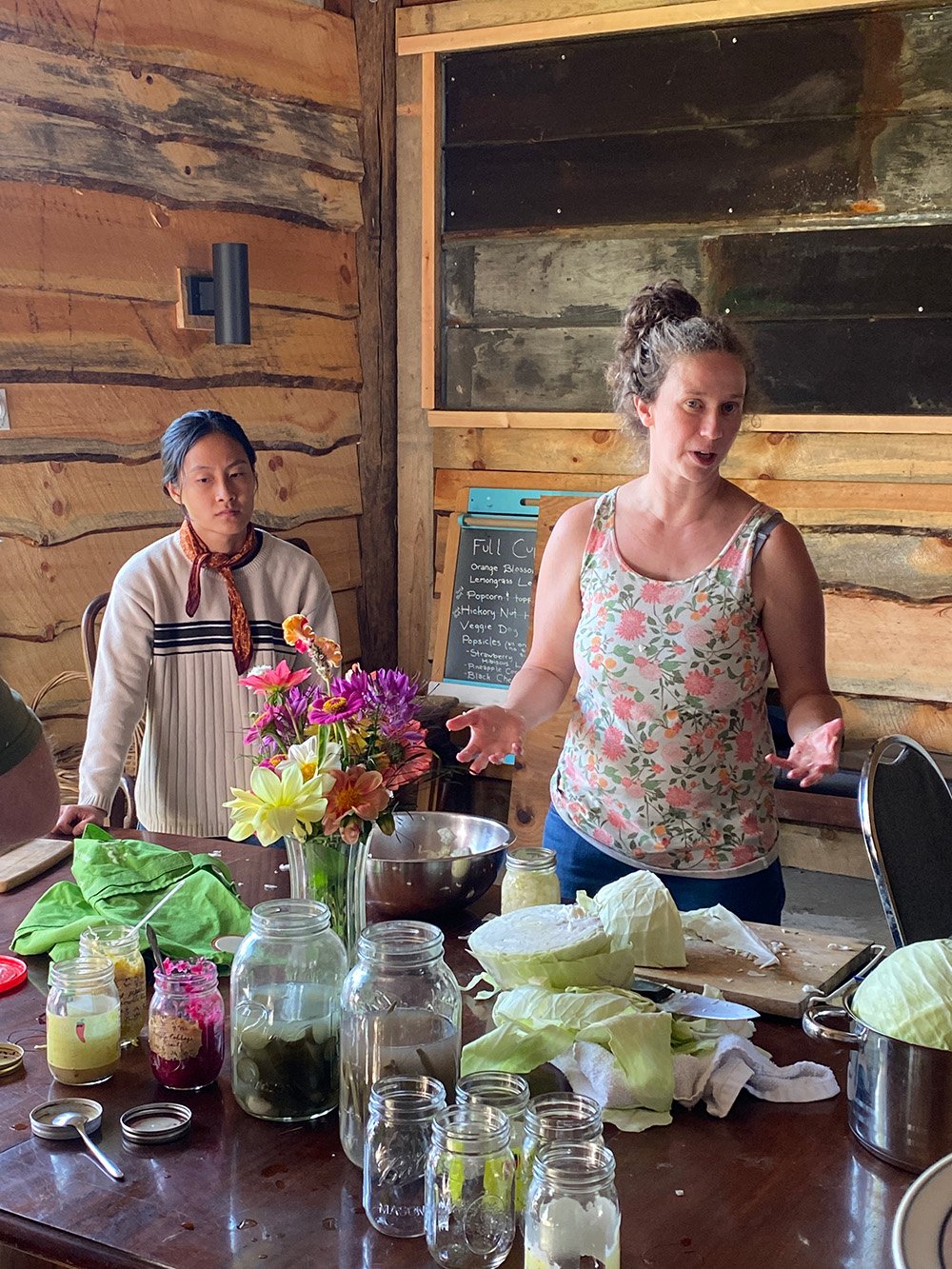
Field Days & Site Visits
Visit established permaculture sites in the Asheville area to see designs in action and learn from experienced practitioners.
Healthy food growing practices
Micro businesses and entrepreneurs
A robust and nutrient dense composting worm operation
Visit with community leaders at a community garden in downtown Asheville
Integrated and robust suburban and urban permaculture systems
So many ways to compost!
Urban food forests
Mushroom growing systems
Community building
And more!
Permaculture Design Project
Part of the permaculture certification program includes the completion of a design project.
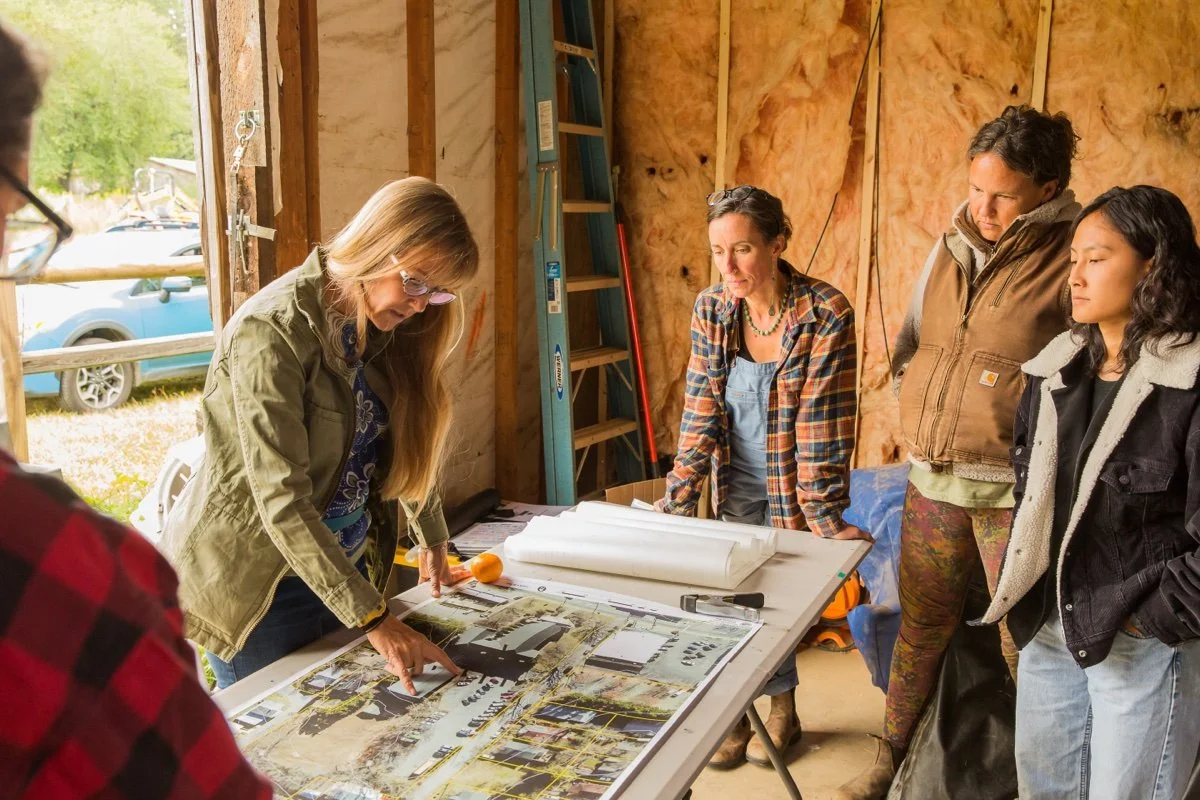
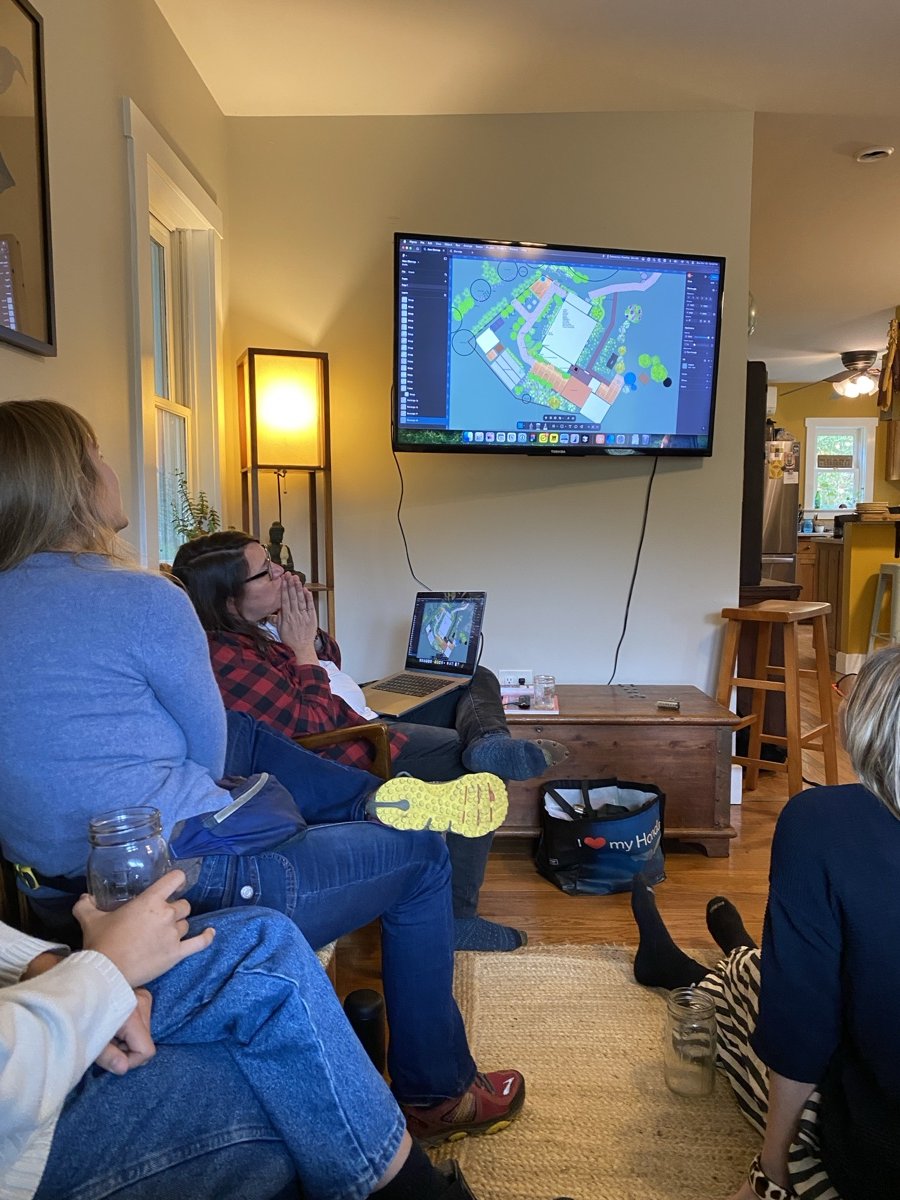
Students will have the opportunity to complete an individual or small group design project. Participants can choose to design a property of their choice or be assigned a local project. Through this project, students can apply the permaculture knowledge they gain from class to a real-life scenario and receive feedback from instructors and peers.
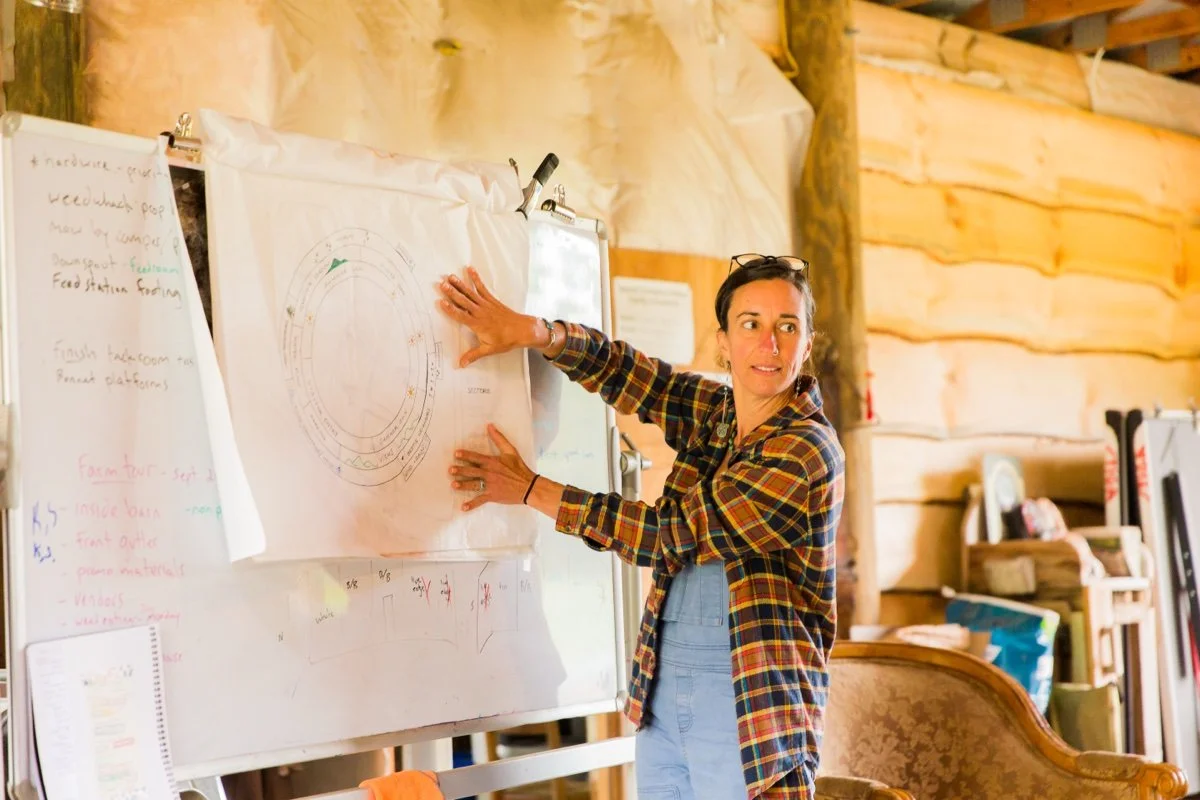
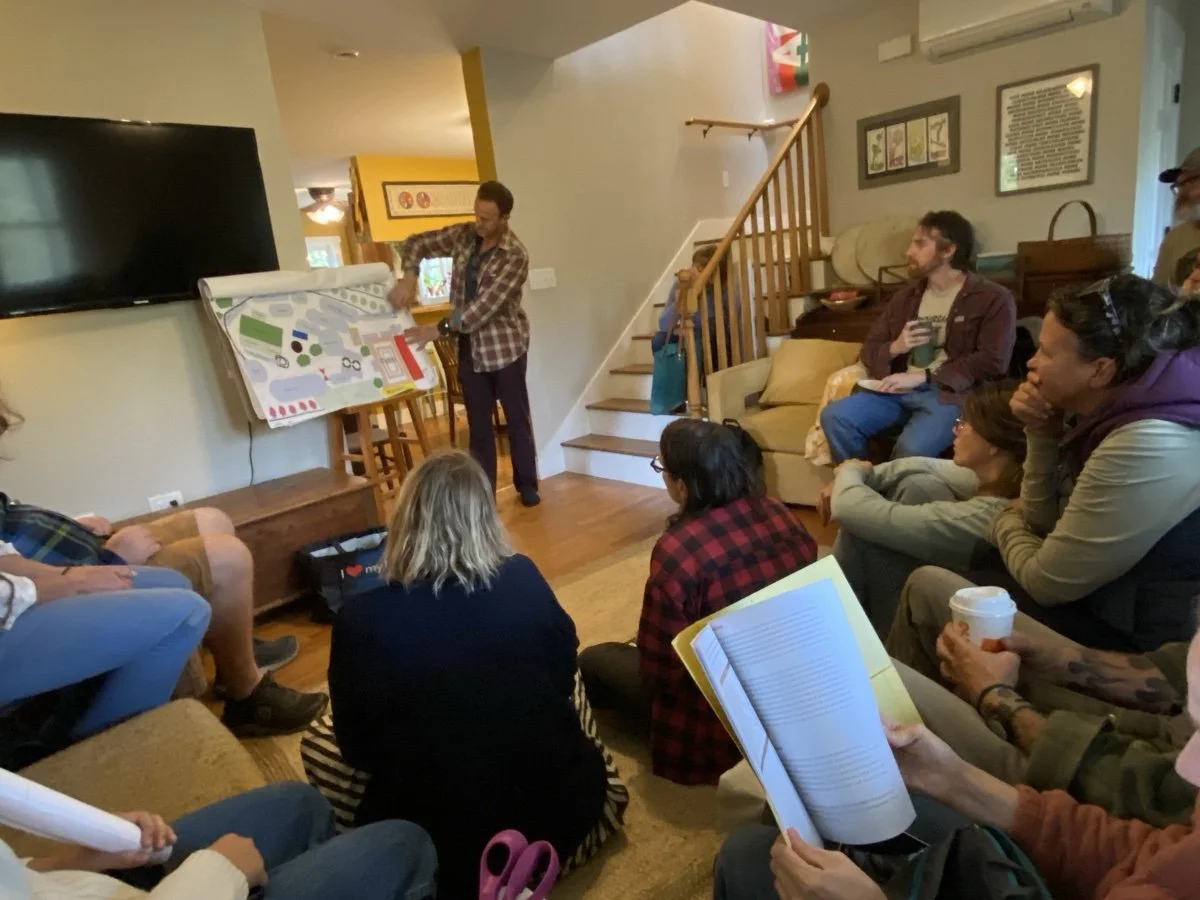
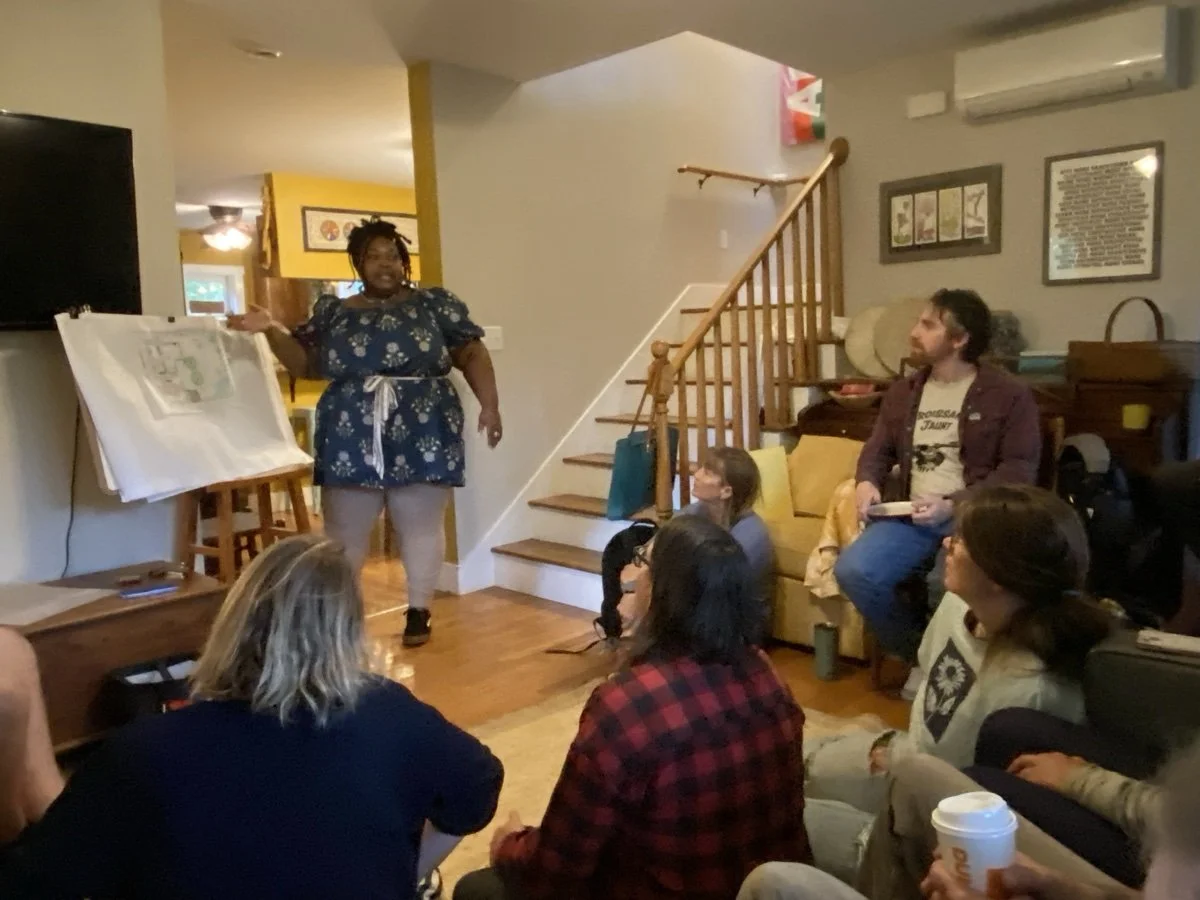
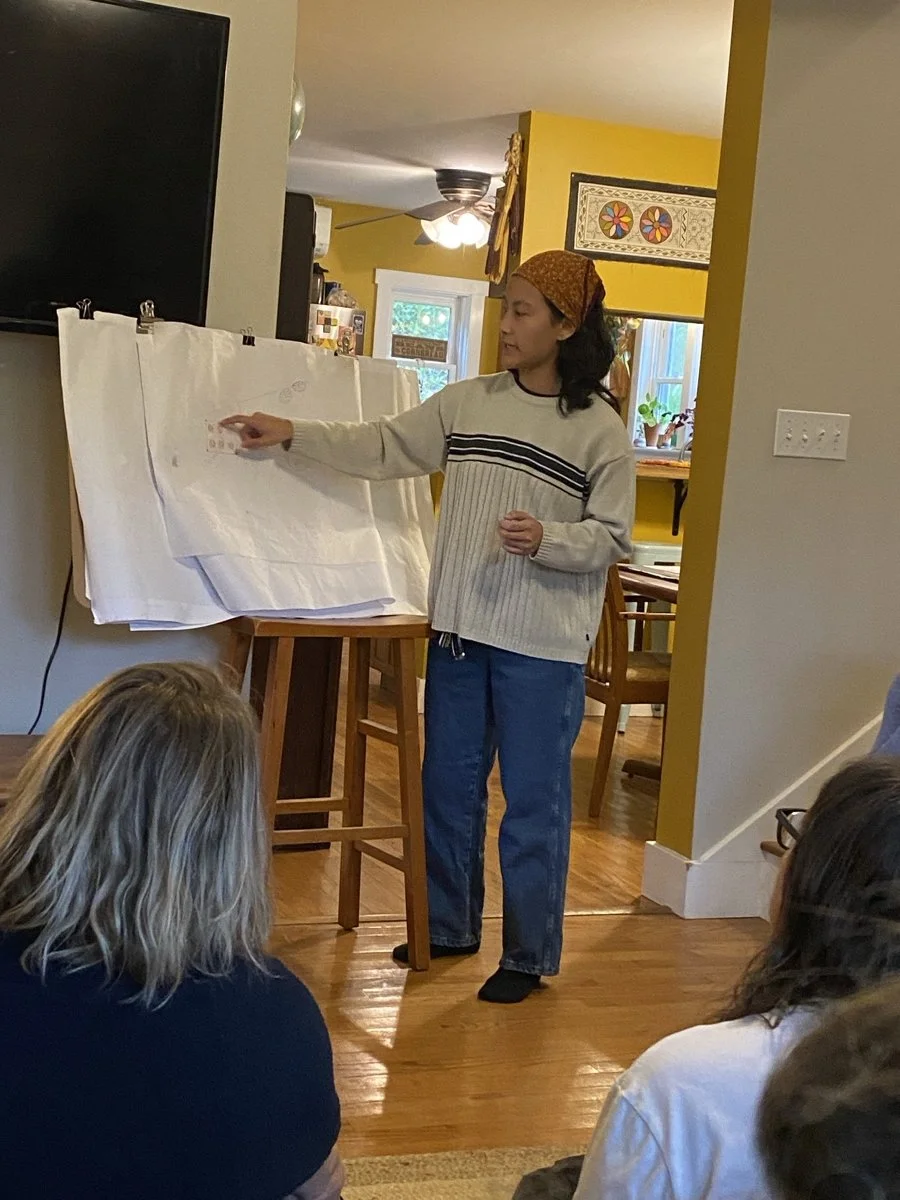
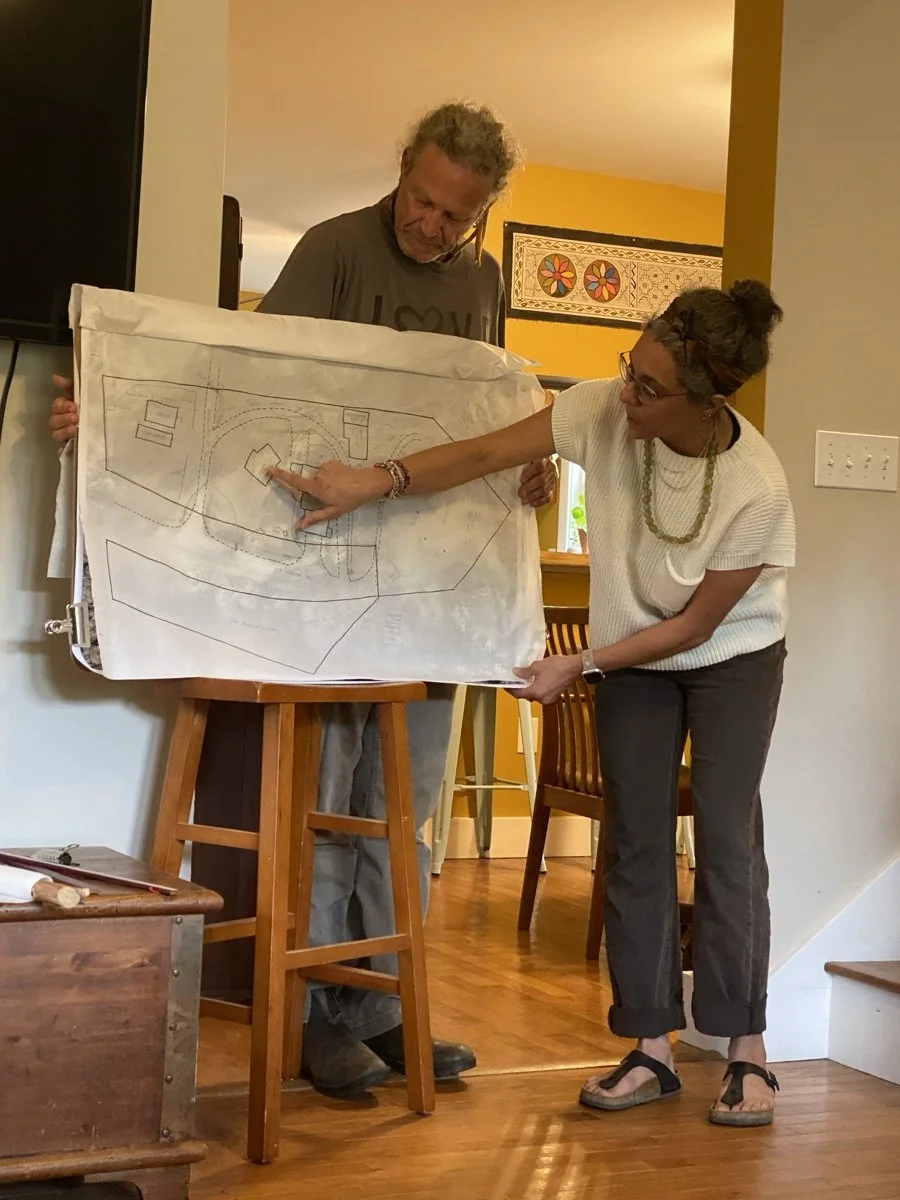
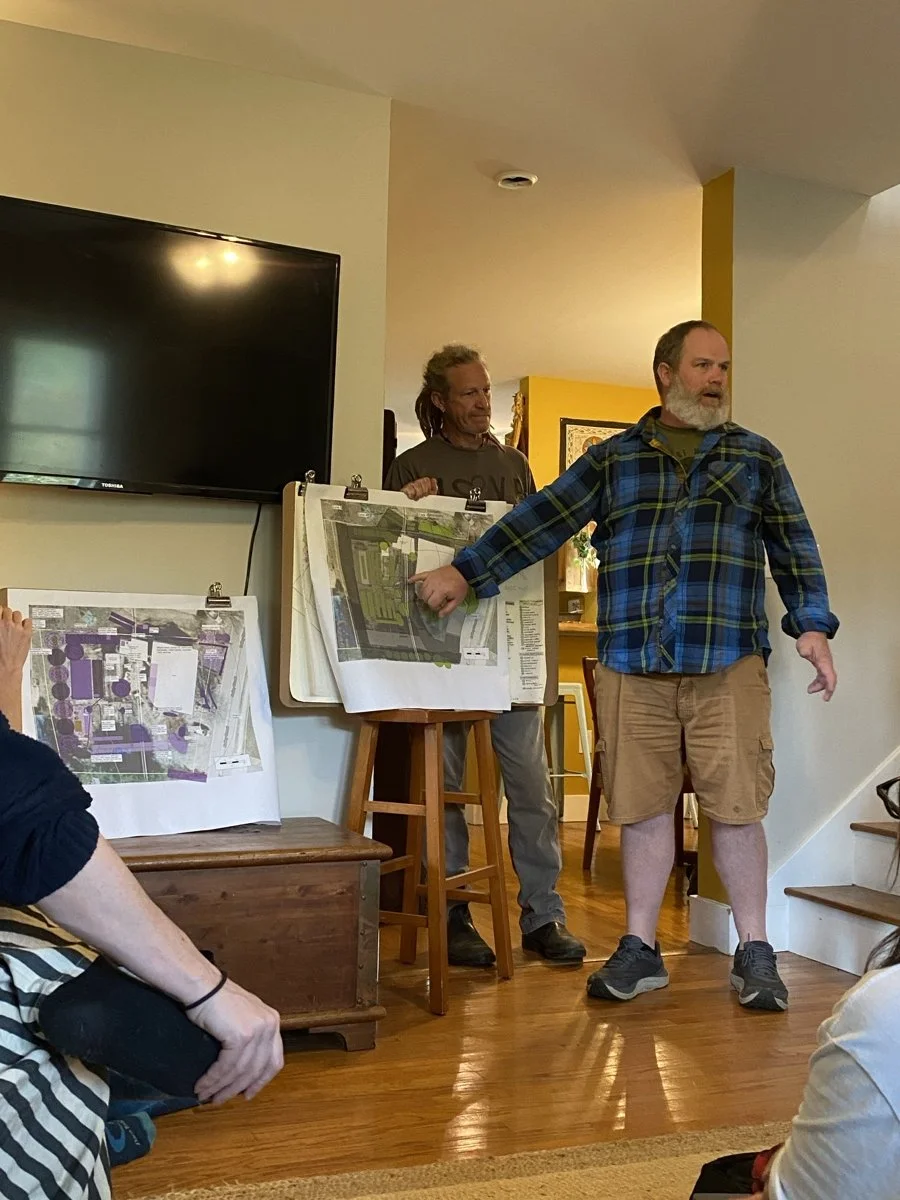
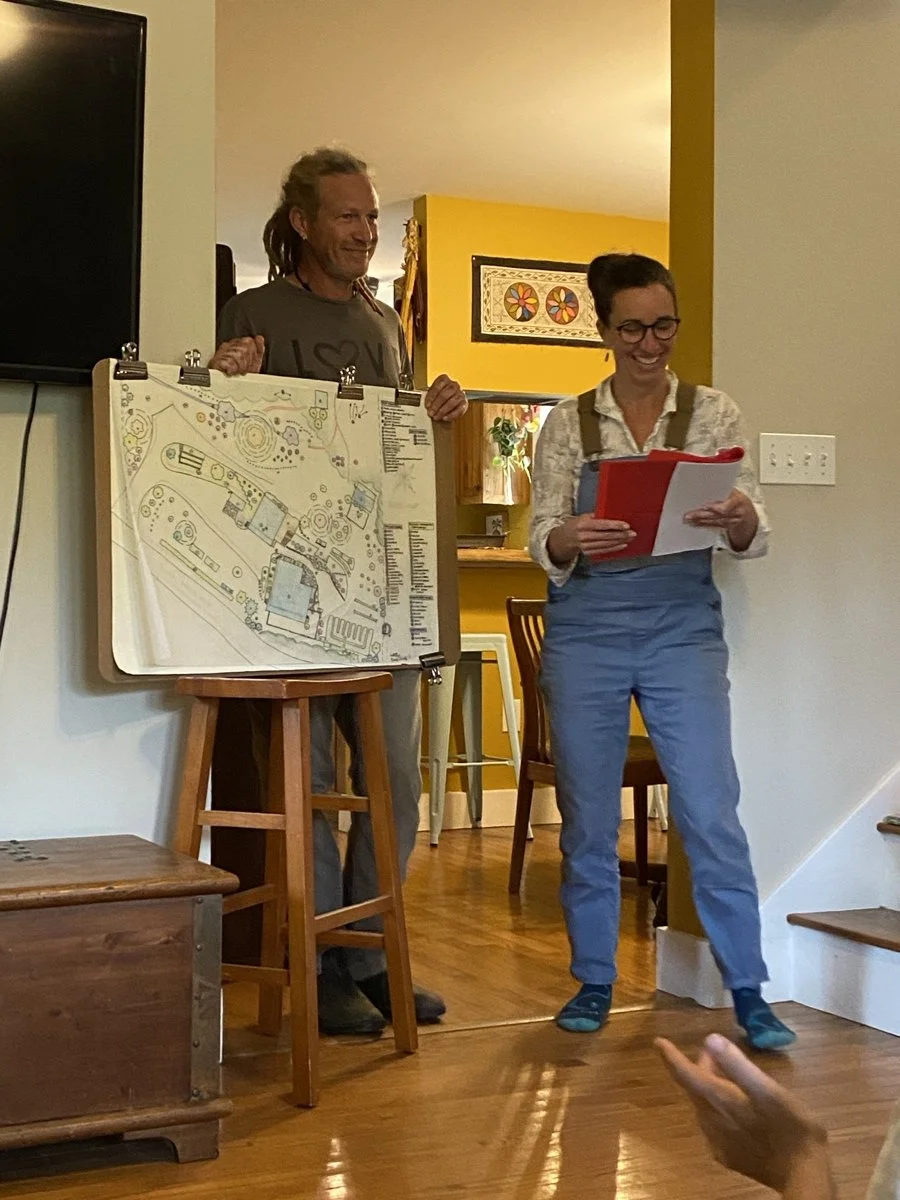
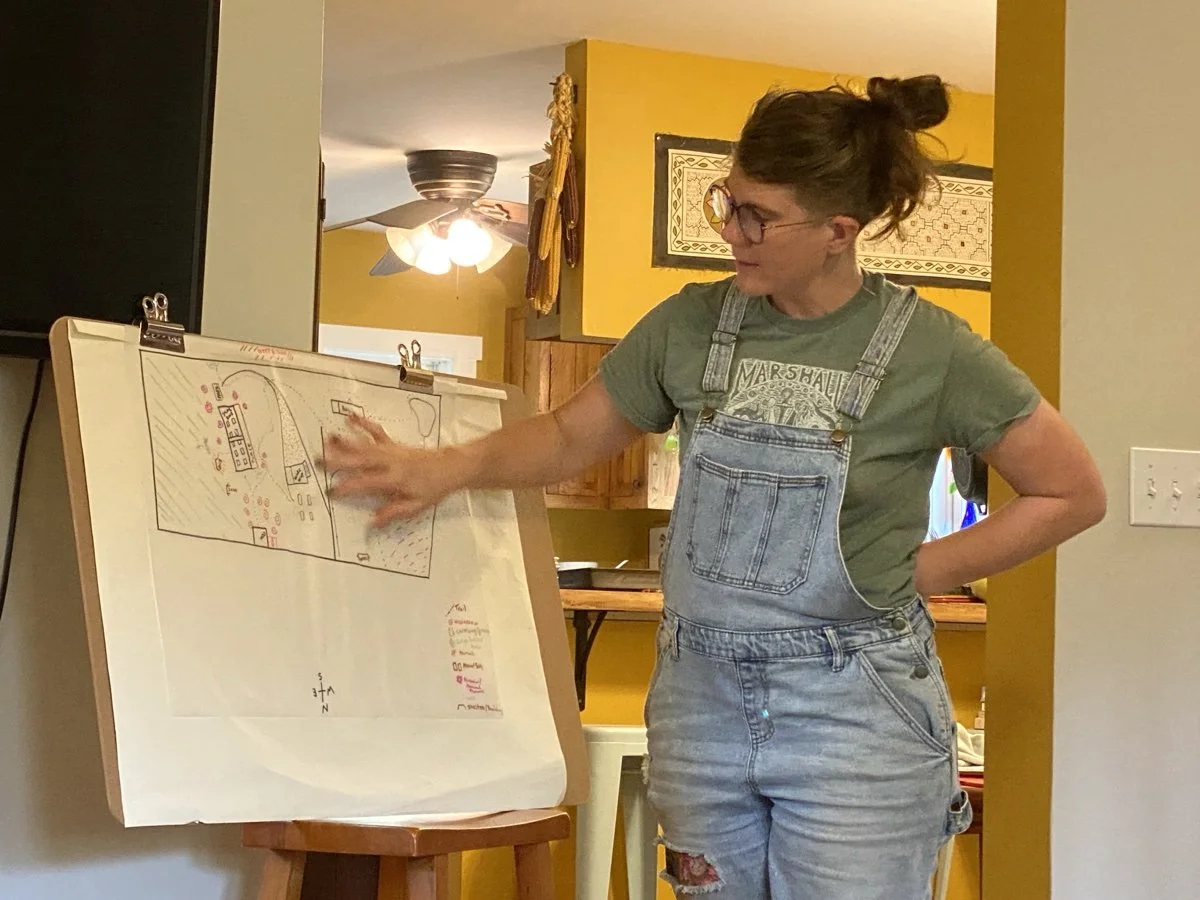
This project allows students the opportunity to work with real design clients. Instructors will guide you through this process using various design tools such as needs and yields assessments, bubble diagrams, and zone and sector overlays. Students will present preliminary designs part way through the course to get feedback from instructors, peers, and clients. This feedback will allow them to revisit their designs before the final design presentation.
Payment Options
We believe in this offering and the value it will bring to our students and broader community. We are also dedicated to making this knowledge available to as many people as possible, regardless of financial situation. Because of this, we are offering sliding scale fees for enrollment in this permaculture design certification program as well as an optional payment plan.
Because of our the work we do to make permaculture education availalble through our sliding scale pricing and our scholarship fund we are organized as a non-profit organization fiscally sponspored by Upstream Works Collaborative.
If you are able to pay the higher tier, please choose that one. But if you need to choose a lower tier because of your economic situation, please do so. If you are called to learn permaculture design and the lowest tier is outside of your budget, then email us about scholarship options at beatricenathan@gmail.com.
UPLIFT
Choose this if you are comfortably meeting all of your basic needs and have "expendable" income.
Donation: $1995
This reflects: The "True Cost" of the service plus a contribution that allows me to offer lower-cost spots to others.
Your Situation: You own your home or rent a high-end property; you have investments or retirement accounts; you travel for recreation; you can afford "wants" without stress
STANDARD
Choose this if you are meeting your basic needs but have limited expendable income.
Donation: $1595
This reflects: The "True Cost" of the service. It covers my time, materials, and business overhead.
Your Situation: You may live paycheck-to-paycheck or have some debt, but you can still afford basic necessities like housing, food, and transportation. You might have to budget carefully for "extras," but you aren't in financial crisis.
COMMUNITY
Choose this if you struggle to meet basic needs and paying the full price would be a significant hardship.
Donation: $1195
This reflects: An accessible rate supported by the community.
Your Situation: You struggle to pay rent or buy groceries; you are unemployed or underemployed; you have no access to savings or family wealth. Please note: If this tier is still a barrier, contact us for further options.
Follow us on social
Contact Us
Interested in working together? Fill out some info and we will be in touch shortly. We can’t wait to hear from you!